
Reviews
Descent Logic Challenge fits players who prefer thinking through a route before acting. Its fixed hazard layouts make each level a small logic problem, and the gradual difficulty curve introduces new combinations without overwhelming. The clean visuals and simple controls keep attention on timing. The main limitation is that the game leans on repetition and pattern learning, which may not suit those seeking fast, reactive platforming.
Description
Reading the Descent
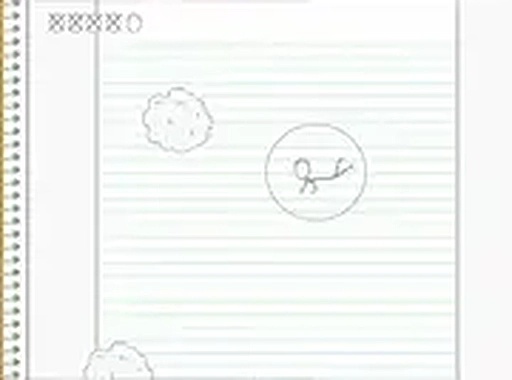
Descent Logic Challenge asks you to move a character from the top of each level to the bottom. The path is never a straight drop. Platforms are arranged so that the safe route is a sequence of deliberate jumps and falls. Before moving, you study the layout: which platforms are reachable, where hazards sit, and how much room a jump needs. The game rewards observation over reflex, though steady timing still matters.
Hazards as Puzzle Pieces
Rocks, spikes, and gaps are placed in fixed patterns, not scattered randomly. Rocks block routes and end a run on contact. Spikes require jumps that land precisely on safe platforms. Gaps force you to commit to a leap without seeing exactly what is below. Each hazard type changes how you read a level, and later stages combine them in tighter spaces.
Progression Through Precision
Difficulty rises gradually. Early levels present simple platform arrangements and a single hazard type. Later levels mix multiple hazards and demand tighter timing. Because patterns are fixed, progress comes from learning the layout and repeating attempts, not from luck. That structure supports both short sessions and longer play periods.
Clarity and Controls
The clean visual style keeps platforms and hazards distinct, so decisions stay about the puzzle rather than the interface. Controls are simple: keyboard keys or mouse clicks move the character, and a full screen mode gives a better view of the level. Straightforward input lets you focus on timing and strategy instead of complex commands.
Compatibility
FAQ
Comments
Sign in to comment
You must be logged in before posting a review or rating.
No comments yet. Be the first to comment!









Editorial Notes