
Reviews
Color Tile Puzzle Game keeps its scope narrow: drag tiles into matching groups, work around blocking tiles, and finish boards in as few moves as possible. The gradual difficulty curve and hint system make it welcoming for casual players, while move-based scoring gives planners something to aim for. Its main limitation is a lack of described variety beyond color sorting, so players seeking layered mechanics may find it simple.
Description
What You Actually Do
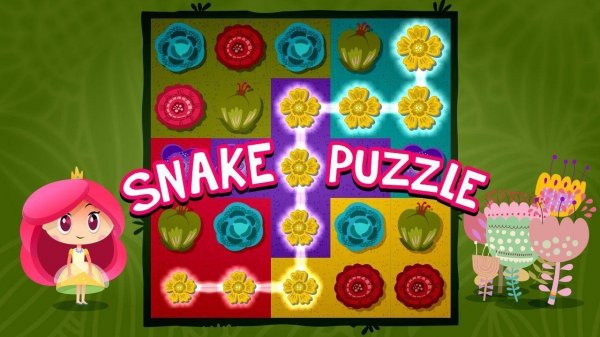
Every board presents a grid filled with colored tiles in mixed positions. Your task is to drag each tile into a group of the same color. Tiles can block one another, so the order you move them matters. A board is finished once every color sits in a complete matching group. [IMG_1]
How Difficulty Grows
Early puzzles use straightforward layouts where most tiles are reachable. Later boards layer in more colors and tighter arrangements, which forces you to think several moves ahead instead of reacting one tile at a time. The progression is gradual, so the added complexity rarely feels abrupt.
Using Hints and Scoring
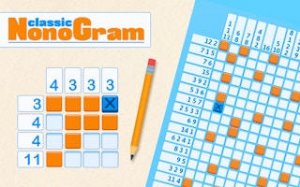
When a layout stalls, a hint system can point you toward a useful move. Leaning on hints too often removes much of the planning challenge, so they work best as a last resort. Completing a level with fewer moves tends to produce a higher score, which gives careful players a reason to plan rather than guess. [IMG_2]
Who This Suits
The drag-and-drop controls and family-friendly presentation make this approachable for children and adults alike. There is no timer pressure described, so sessions can be short or long. Because it runs in a browser with no download required, it works as a low-commitment break activity on most devices.
Compatibility
FAQ
Comments
Sign in to comment
You must be logged in before posting a review or rating.
No comments yet. Be the first to comment!









Editorial Notes