
Reviews
Tile Hex: Shape Matching Challenge is a single-player puzzle game about placing patterned hexagonal tiles to complete lines and clear the board. Its strongest feature is the tension between immediate matches and long-term board management—every placement affects the space available for future tiles. The lack of a timer suits players who prefer thinking over reacting. Difficulty scales gradually through larger grids and more complex tile shapes. The clean, colorful presentation keeps the puzzle readable. It is best suited to casual and logic-puzzle fans who enjoy planning several moves ahead.
Description
Placing Tiles on a Hex Grid
Tile Hex: Shape Matching Challenge is built around a single, repeatable action: placing a hexagonal tile onto a board. Each tile carries its own arrangement of colored hexagons, so no two placements are quite the same. The goal is to connect those colored segments with tiles already on the grid. When a complete line or a specific pattern forms, the involved tiles vanish and open up room for the next batch. That cycle—place, match, clear—drives every session.
Why Placement Order Matters
The game is not a race. There is no clock pushing you forward, which means the real pressure comes from your own decisions. Every tile you set down changes the shape of the board. A placement that clears a row immediately might leave an awkward gap that blocks a better match two turns later. Players who do well tend to look several moves ahead, weighing the instant reward of a clear against the long-term health of the grid. That tension between short-term and long-term thinking is where the strategy lives.
Visual Clarity and Calm Presentation
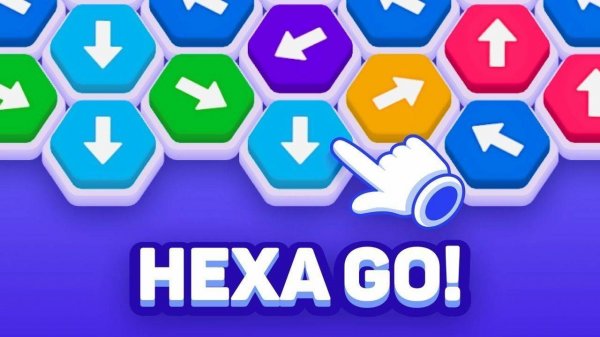
Bright colors and clean geometric shapes make each tile easy to read at a glance. The grid stays uncluttered, and the backgrounds are simple enough that they never compete with the puzzle itself. This matters more than it sounds. In a matching game, misreading a tile's pattern costs you a move. Tile Hex avoids that problem by keeping the visual language consistent and friendly, which also makes it approachable for younger players or anyone who prefers a low-stress puzzle.
How Difficulty Grows
Early boards are small and forgiving, giving newcomers room to learn how tiles connect. As you progress, the game introduces more complex tile shapes and larger grids. Later stages demand precise placement and careful use of limited space. The curve rises gradually rather than in sudden spikes, so each new challenge feels like a natural extension of the last. Because there is no time limit, you can sit with a difficult board as long as you need.
Compatibility
FAQ
Comments
Sign in to comment
You must be logged in before posting a review or rating.
No comments yet. Be the first to comment!








Editorial Notes