
Reviews
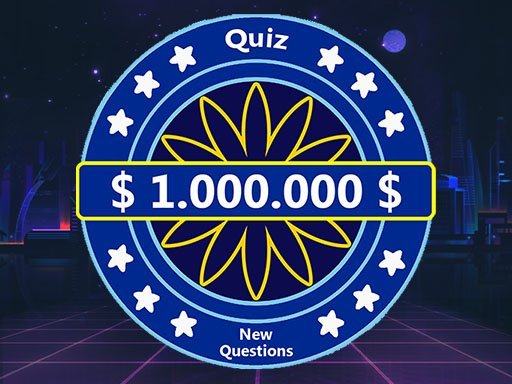
Trivia Challenge: Knowledge Game sticks to a proven quiz format: four answers, immediate feedback, and a short explanation after each question. The category spread from science and math to cinema and pop culture keeps sessions varied, while lifelines add a light layer of resource management. The all-ages question selection and simple controls suit families and casual players. Its main limitation is that the input does not specify question volume or update frequency, so long-term content depth is unclear.
Description
Question Flow and Instant Feedback
Each question presents four possible answers, and you pick the one you believe is correct. The result appears immediately, along with a short explanation of the right answer. That explanation is the teaching moment: even a wrong guess leaves you with a fact you did not have before. Because the format is predictable, new players can start without reading instructions, and experienced quiz players can move quickly through rounds they already know.
Lifelines and When to Use Them
The game includes helper options, often called lifelines, for questions where your knowledge runs out. One common lifeline removes two incorrect choices, turning a four-way decision into a fifty-fifty guess. Another provides a hint about the correct answer. Lifelines are a limited resource, so the strategic decision is not whether to use them but when. Spending one on a question you could reason through wastes it; saving them for categories outside your strengths gives you a better return.
Categories and Progression
Questions draw from music, cinema, sports, science, math, geography, history and pop culture. That spread means no single specialty carries a player through an entire session. A progressive reward system moves you up a virtual prize ladder as you answer correctly, which gives each round a visible goal beyond the raw score. Rounds contain a set number of questions and can be replayed, so a weak category can be revisited rather than avoided.
Who It Suits and How to Approach It
The simple controls and clear layout make the game accessible to children and adults alike, and the all-ages question selection keeps it suitable for family play. Sessions work in short bursts or longer sittings. To improve, read each question fully before answering, since misreading is a more common error than not knowing. Focus practice on categories you find difficult, and keep lifelines in reserve for the hardest questions rather than the first uncertain one.
Compatibility
FAQ
Comments
Sign in to comment
You must be logged in before posting a review or rating.
No comments yet. Be the first to comment!





Editorial Notes