
Reviews
Melody Quest Rhythm Challenge keeps its focus on timing rather than complex inputs, using only the arrow keys. The story mode gives context to the musical battles against Future Tom, while free play offers a more direct way to practice individual songs. Original charts and an upbeat soundtrack support the family-friendly label. The main limitation is that the input description does not detail song count or difficulty settings, so players seeking deep progression options may want to check further.
Description
What You Do in Each Song
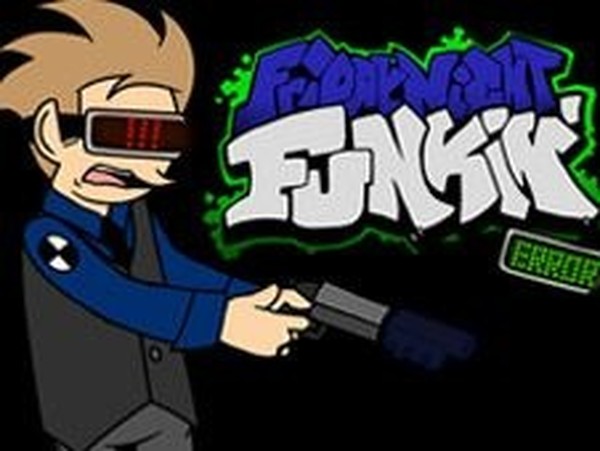
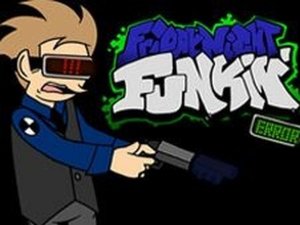
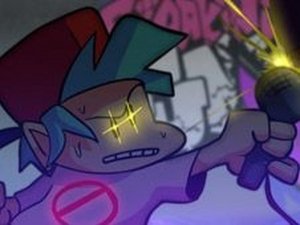
Melody Quest Rhythm Challenge is a keyboard-based rhythm game. You control a character named Boyfriend who faces musical challenges from an opponent called Future Tom. During a song, arrow symbols appear above Boyfriend's head. Your job is to press the matching arrow keys at the right moment. Accurate timing keeps the song going; missing too many notes can end the attempt. Each track has its own sequence of notes that must be completed to win.
Modes and Music
The game offers multiple modes, including story mode and free play. Story mode frames the musical challenges against Future Tom, while free play lets you pick songs without that context. Each song uses an original chart of notes, so the timing patterns differ from track to track. The soundtrack is upbeat and the artwork is colorful, which supports the family-friendly tone. Credits in the game acknowledge the director, lead artist, and musicians who worked on the project.
Controls and Timing Feedback
Only the arrow keys are used, so there is no complex control scheme to learn. The challenge comes from matching your key presses to the rhythm rather than from memorizing buttons. Visual feedback shows how well you timed each press, which helps you adjust on later attempts. If you miss notes, the game continues until too many are missed, giving you room to recover during a song.
Who This Suits
Because the controls are simple and the content is family friendly, Melody Quest Rhythm Challenge fits players who are new to rhythm games as well as those who already enjoy music-based timing challenges. The difficulty comes from the note charts themselves, not from complicated inputs. Starting with easier songs or free play helps build timing before moving to tougher tracks.
Compatibility
FAQ
Comments
Sign in to comment
You must be logged in before posting a review or rating.
No comments yet. Be the first to comment!




Editorial Notes