
Reviews
Descent Logic Challenge stands out for its focus on deliberate play. Each level is a small puzzle where success depends on understanding the obstacle layout and executing precise movements. The gradual difficulty increase ensures that players build skills naturally without feeling overwhelmed. The simple controls and clear visuals make it easy to pick up, while the varied hazard combinations provide enough depth to keep experienced players engaged. It is a solid choice for anyone who enjoys thoughtful platforming games.
Description
Core Gameplay Loop
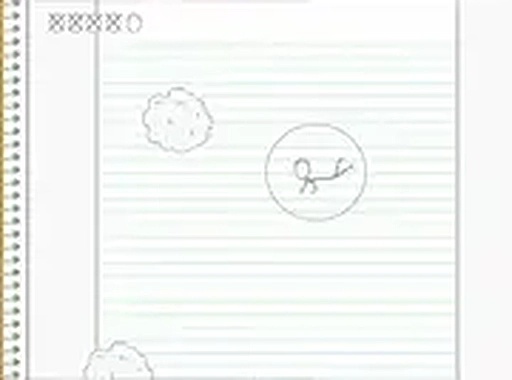
Descent Logic Challenge focuses on moving a character from the top of each level to the bottom. The path is never straightforward. Players must study the arrangement of platforms and hazards before making their move. Each level acts as a small puzzle where the solution is a sequence of well-timed jumps and drops. The game rewards careful observation over fast reactions, though a steady hand certainly helps.
Obstacle Variety
The hazards in Descent Logic Challenge are not random. Rocks, spikes, and gaps appear in deliberate patterns that require players to learn and adapt. Rocks block paths and can end a run if touched. Spikes demand precise jumps between safe platforms. Gaps force players to commit to a leap without knowing exactly what lies below. This variety keeps each level feeling distinct and encourages repeated attempts to master the layout.
Progression and Difficulty
Difficulty increases gradually as players advance. Early levels introduce basic platform arrangements and a single hazard type. Later stages combine multiple obstacle types in tight spaces, requiring more precise timing. The game does not rely on luck. Success comes from practice and understanding the level design. This structure makes the game suitable for both short sessions and longer play periods.
Visual Clarity
The clean visual style of Descent Logic Challenge serves a practical purpose. Hazards and platforms are clearly distinguished, allowing players to make quick decisions about where to move next. There is no visual clutter or distracting animation. This design choice helps players focus on the puzzle at hand rather than fighting the interface.
Controls and Accessibility
Controls are simple and responsive. Players use keyboard keys or mouse clicks to move the character. The game is designed for desktop browsers and includes a full screen mode for a better view of the level layout. Because the controls are straightforward, players can concentrate on timing and strategy rather than complex input sequences.


03 Comments
Sign in to comment
You must be logged in before posting a review or rating.
No account? Create one
No comments yet. Be the first to comment!