
Reviews
Mini Speedway Dash keeps its scope narrow and executes it cleanly. The one-tap, three-lane control scheme removes acceleration and braking, so skill comes from reading obstacle patterns and deciding when a token is worth the risk. Bright colors and a bouncing toy car suit the kid-friendly, casual tags. The main limitation is depth: with no lives, timers, or multiplayer, long-term appeal depends on how much you enjoy chasing your own high score.
Description
Track Design and Visual Style
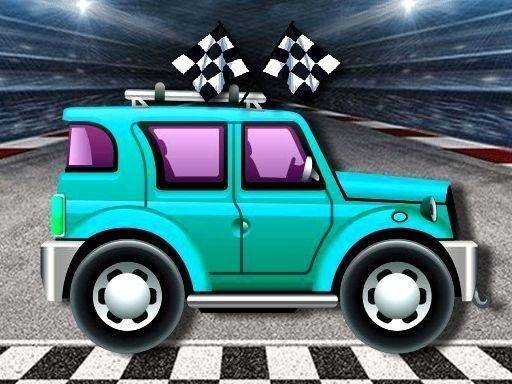
Mini Speedway Dash uses three-lane tracks built from sharp turns and gentle curves, so no two runs follow an identical rhythm. Bright primary colors dominate the scenery, with checkered patterns and playful decorations lining the route. The car itself is a small, rounded toy vehicle that bounces slightly as it moves, giving the action a light physical feel. Oversized building blocks and colorful flags sit in the background, reinforcing the playful theme without pulling attention away from the road.
One-Tap Lane Switching
Control is deliberately minimal: a single tap shifts the car left or right along the three-lane track. There is no acceleration or braking to manage, so the challenge comes from reading the track ahead and timing each tap. The car responds instantly, which lets players make quick adjustments when obstacles appear. Because the input is so simple, the game can be picked up in seconds, but precise positioning still matters as the pace increases.
Tokens, Obstacles, and Risk
Shiny golden tokens are scattered along each track, placed both in open lanes and near obstacles. Gathering them raises the score, and longer runs tend to offer more tokens. The scoring rewards careful path selection: weaving through tight gaps to grab tokens earns more points than staying in one lane. Wooden boxes appear in increasing numbers as the game progresses. Early runs feature sparse obstacles that teach basic dodging, while later sections present dense clusters that demand precise timing. Some box patterns force a choice between collecting a token or avoiding a collision, creating a natural risk-reward dynamic.
Session Flow and Replayability
Each round ends the moment the car hits an obstacle, and the game immediately offers a restart. That quick cycle encourages repeated attempts to improve scores and beat personal bests. There are no lives, timers, or penalties beyond the crash itself, so players can focus entirely on refining their route. The lack of complex menus or loading screens means sessions can last a few seconds or stretch into longer practice runs.
Compatibility
FAQ
Comments
Sign in to comment
You must be logged in before posting a review or rating.
No comments yet. Be the first to comment!








Editorial Notes