
Reviews
Block Sprint Endless Runner succeeds by keeping its design tight. The single control of tapping to jump removes any complexity, letting the player concentrate entirely on obstacle timing. The procedurally generated course ensures no two attempts feel the same, while the gradual speed increase provides a natural difficulty curve. The pixel art style is functional and clear, supporting the gameplay without adding visual noise. It is an ideal choice for quick sessions where you want a clear goal and immediate feedback. The lack of extra features means the game never feels bloated.
Description
Core Movement and Controls
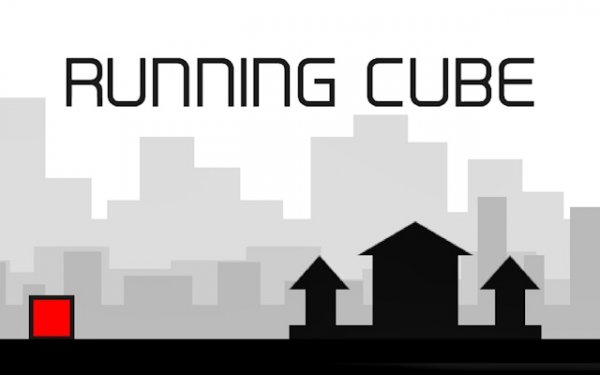
The player character, a small pixel block, advances automatically along a straight track. There is no steering or speed adjustment. The only action required is a single tap or click to make the block jump. This minimal control scheme makes the game accessible to anyone, regardless of gaming experience. The challenge comes from timing that single action correctly against obstacles that appear without warning.
Obstacle Patterns and Course Generation
Walls of different heights block the path at irregular intervals. The course is generated on the fly, so no two runs are identical. Some walls appear in quick succession, requiring rapid taps. Others are spaced farther apart, giving the player a moment to reset. Learning to read the spacing and height of each obstacle is key to advancing. The system does not repeat patterns, which keeps each attempt fresh.
Progression and Speed Dynamics
As the block travels further, the movement speed gradually increases. This acceleration means that obstacles that were easy to clear early on become much harder to judge. The player must adapt their reaction time to the changing pace. There is no level select or save point; each run starts from the beginning. The only measure of progress is the distance covered, which resets after every collision.
Visual Style and Focus
The graphics use a clean pixel art style with a limited color palette. This minimalist approach reduces visual clutter and keeps the player focused on the obstacle course. The background remains static, while the block and walls are clearly outlined. The lack of distracting animations or effects helps maintain concentration on the core gameplay. This design choice supports the game's pick-up-and-play nature.
Scoring and Personal Goals
The distance traveled during a run is recorded as the player's score. There are no coins to collect or power-ups to activate. The only goal is to beat your previous best distance. The game may include a leaderboard where players can compare their scores with others. This simple scoring system encourages repeated attempts to improve by small increments.




03 Comments
Sign in to comment
You must be logged in before posting a review or rating.
No account? Create one
No comments yet. Be the first to comment!