
Reviews
The open placement system and boundary rule give Sum Stack Puzzle more depth than its casual look suggests. Merging identical numbers is straightforward, but keeping the stack centered while chasing chain reactions requires planning. Bright visuals, clear numbers, and gentle audio make it approachable for all ages. The lack of a time limit suits thoughtful play, though players seeking fast action may find the pace slow.
Description
Merging Tiles on an Open Field
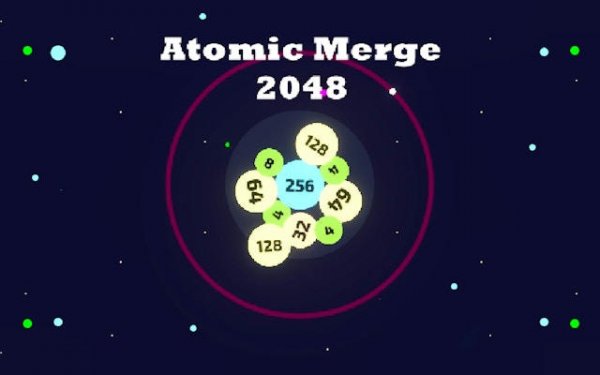
Sum Stack Puzzle hands you numbered tiles one at a time. You drop each tile anywhere in an open playing area rather than into a fixed grid. When two tiles showing the same number touch, they merge into a single tile with a higher value. Because placement is freeform, tiles can settle in unexpected positions, and a tile set too far to one side can limit your future options. Every drop is a spatial decision as much as a numerical one.
The Boundary That Ends Sessions
A circular boundary surrounds the playing area, and if any part of the tile stack touches it, the session ends immediately. This single rule turns a simple matching exercise into a spatial reasoning challenge. You must keep the stack centered and low, since dropping tiles carelessly will quickly push the pile outward. Managing space becomes just as important as planning merges, and the boundary prevents random play from lasting long.
Chain Reactions and Careful Pacing
Grouping tiles of the same value together can set up chain reactions. When two tiles merge, the resulting tile may touch another matching tile, creating a cascade of merges that clears space and raises your score quickly. There is no time limit, so each move can be considered carefully. Over time, players develop personal strategies for managing space and avoiding the boundary.
Presentation and Session Flow
Bright, cheerful colors and large, clearly labeled numbers make tiles easy to identify at a glance. Merges play a smooth animation that provides satisfying feedback, while gentle sound effects support a calm environment. Each session is unique because tiles arrive in a random order, so you adapt your strategy to what you receive. The goal is to reach the highest possible number, and the scoring system encourages repeated play. Sessions are short, with no pressure to complete levels or unlock content.
Compatibility
FAQ
Comments
Sign in to comment
You must be logged in before posting a review or rating.
No comments yet. Be the first to comment!



Editorial Notes