
Reviews
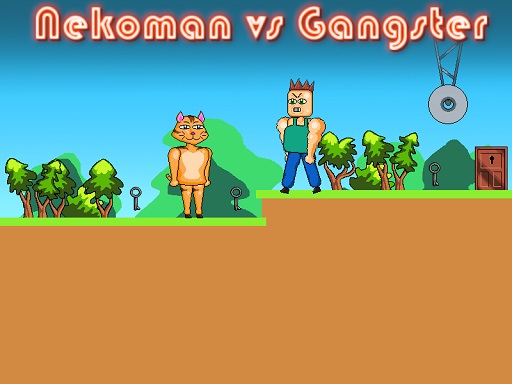
Cat Quest: Whisker Journey keeps its scope tight: collect every silver key, dodge fixed hazard patterns, and reach the exit door. The reset-to-start rule on contact makes timing matter, while replayable levels and tracked performance give completionists something to chase. The colorful cat theme and non-violent design suit younger players and casual sessions, though the escalating obstacle layouts still ask for precise jumps. It is a straightforward pick for platformer fans who prefer observation and routing over combat.
Description
Level Objectives and Key Collection
Each stage in Cat Quest: Whisker Journey hands you a single clear task: find every silver key scattered across the level. The keys are not optional collectibles—they are the gate to finishing the stage. Only after the last key is picked up does a green exit door appear, and touching it moves you forward. This structure turns every level into a small routing puzzle, because you need to plan a path that covers all key locations without walking into danger.
Hazards and Timing-Based Movement
Two hazard types stand between the cat and a clean run: patrolling guards and spinning obstacles. Both operate on fixed patterns, so the challenge comes from reading those patterns and moving at the right moment. Contact with either sends the cat back to the start of the level, which means a single mistimed jump can undo several seconds of careful progress. That reset rule raises the stakes without adding violence—it is a timing and observation test rather than a combat system.
Controls and Difficulty Curve
Movement is deliberately simple: left and right to walk, plus a jump button to clear gaps and hazards. The controls are described as smooth and responsive, which matters in a game where a fraction of a second decides whether you clear a spinning obstacle or get sent back. Difficulty climbs as you advance. Later stages rearrange obstacle layouts and guard routes, so the skills you build early—patience, pattern reading, precise jumps—carry directly into harder rooms.
Replay Value and Session Length
Completed levels remain open for replay, and the game tracks performance so you can return to earlier stages and aim for a better result. Because individual levels are short, the structure supports both quick sessions and longer play blocks. The cat theme, colorful presentation, and non-violent hazard design make it approachable for younger players, while the timing demands and increasing complexity give platformer fans a reason to keep refining their runs.
Compatibility
FAQ
Comments
Sign in to comment
You must be logged in before posting a review or rating.
No comments yet. Be the first to comment!








Editorial Notes