
Reviews
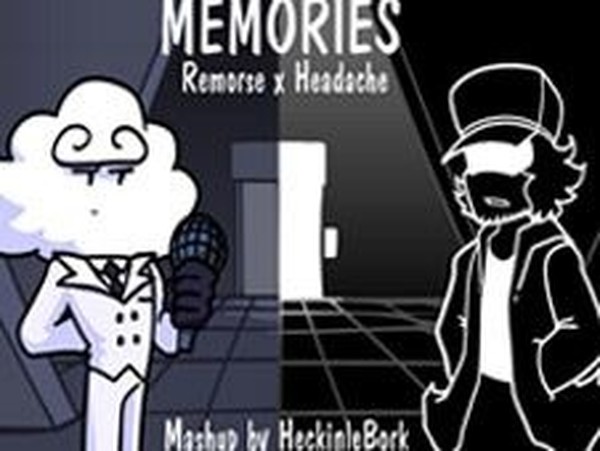
Updike vs Garcello Musical Duet keeps its scope tight: watch arrows, press keys on beat, and avoid stacking misses. That simplicity makes it easy to start but still demanding to finish cleanly, especially when a chart speeds up. The family-friendly framing and keyboard-only controls suit casual players and younger audiences. Its main limitation is that depth depends entirely on the song charts, so players wanting complex mechanics may find it lean.
Description
Following the Arrow Chart
Each song in Updike vs Garcello Musical Duet plays out as a scrolling chart of arrow symbols that appear above Garcello's head. Your job is to press the corresponding arrow keys on your keyboard at the exact moment each symbol aligns with the beat. Hitting notes accurately pushes the progress bar toward your side, while missed inputs work against you. The chart runs from the first note to the last, so the round is a single continuous performance rather than a series of disconnected segments.
How Misses Shape the Round
Timing is the whole game. Press too early or too late and the note counts as a miss. A visible miss counter tracks your errors, and once you accumulate too many in a row, the song ends and you restart from the beginning. This creates a clear risk-reward loop: you can recover from a few slips, but a sloppy stretch near a dense section can undo your progress. Keeping a streak alive is the most reliable way to stay in control of the bar.
Accessibility and Song Variety
The controls are limited to the four arrow keys, so there is nothing to memorize beyond matching symbols to inputs. That low barrier makes the game approachable for younger players and for anyone new to rhythm titles. Each song brings its own chart, meaning patterns and pacing change from track to track. The family-friendly presentation keeps the focus on the musical duet between Updike and Garcello rather than on anything graphic or mature.
Building Consistency
Because every chart is tied to a specific song, learning the music is as important as learning the inputs. Players who listen for the beat tend to hit notes more consistently than those who only watch the arrows. Difficult sections are easier to survive when you slow down mentally and let the rhythm guide your presses instead of reacting late. Staying relaxed matters too, since tension often leads to early or mistimed inputs that break a streak.
Compatibility
FAQ
Comments
Sign in to comment
You must be logged in before posting a review or rating.
No comments yet. Be the first to comment!









Editorial Notes