
Reviews
Geometric Leap Arcade Game succeeds by removing everything except timing. One input, one automatic pace, and obstacle patterns that reward rhythm over reaction speed. The minimalist visuals keep attention on the course, and the lack of levels or unlocks means every run is about beating your own distance. It suits short-session players who like arcade precision, though anyone expecting variety or progression systems will find it thin.
Description
What You Actually Do
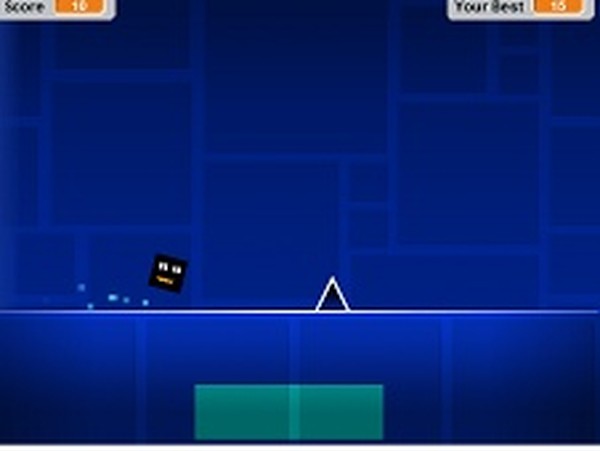
Geometric Leap Arcade Game is a one-button arcade title built around a single repeated action: jump. A small square moves forward on its own across a scrolling geometric course, and your only input is a click or key press that makes it leap. Obstacles appear in patterns, and the square must be airborne at the correct moment to clear each one. There is no steering, no acceleration, and no alternate route. The entire challenge sits in the timing of that one input.
Because movement is automatic, every failure is a timing error rather than a navigation mistake. Hitting an obstacle ends the attempt and restarts the level. Each run begins at the same steady pace, so improvement comes from reading patterns faster and reacting with more precision, not from unlocking anything.
Why Rhythm Matters More Than Reflexes
The game is described as rhythm-based, and that framing is useful. Obstacle sequences follow a predictable cadence, so players who listen to the music and internalize the beat tend to jump more consistently than players who react purely on sight. Jumping too early is just as fatal as jumping too late, which means the skill being trained is anticipation, not raw speed. The steady scrolling pace reinforces this: the game never speeds up to catch you off guard, it simply asks you to match its tempo.
Visual Design and Focus
A clean, minimalist background keeps attention on the square and the obstacles ahead. There are no decorative elements competing for your eyes, which matters in a game where a fraction of a second decides success. The geometric shapes give the course a modern, uncluttered look while making obstacle edges easy to read at speed. This restraint is a design choice, not a limitation.
Learning Curve and Replay Value
The game is easy to start and difficult to master. Early obstacle patterns are simple enough that a new player can clear them within a few attempts, but later patterns chain jumps together and demand consistent rhythm. There is no story mode or level select; instead, each attempt is a fresh chance to beat your previous distance. That structure gives the game high replay value for players who enjoy chasing personal bests. It appeals to anyone who likes quick-session arcade challenges, from first-time players to returning fans of the Geometry Jump style.
Practical Advice for Better Runs
Learn the basic jump timing before worrying about complex patterns. Focus on the rhythm of the level to anticipate when to jump rather than reacting to what you see. Stay relaxed; panicking tightens your timing and causes early jumps. If frustration builds, take a short break, because a fresh mind reads patterns more accurately. Finally, treat every failure as information: note which obstacle ended the run and adjust your next attempt accordingly.
Compatibility
FAQ
Comments
Sign in to comment
You must be logged in before posting a review or rating.
No comments yet. Be the first to comment!







Editorial Notes